Hello, great to have you back. Today's topic is something all of us have run into — or will at some point in our careers. One of the things I enjoy most is sharing what I know.
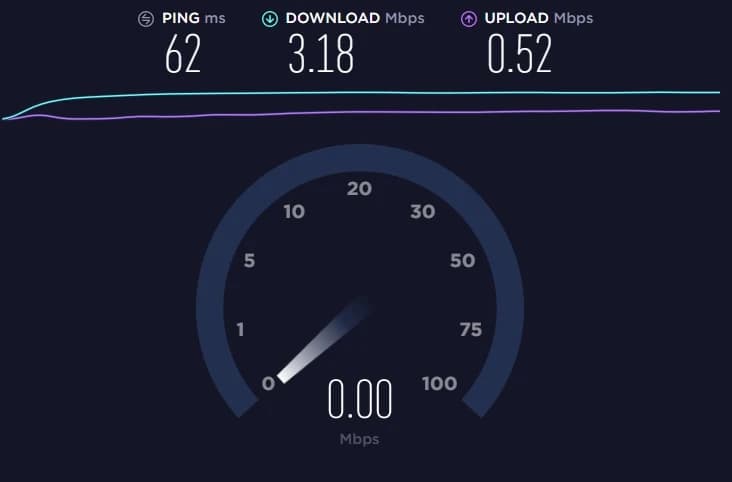
Ever bought a device that advertises a 10 GB interface (say, an RB4011) and then, when you run your tests, you can't even hit 2 Gb?
The answer is simple: the device isn't designed to deliver a full 10 Gb. Nobody sold you a lemon — you just didn't check the device's technical specs, or you weren't familiar with how it works.
Every bit of configuration on your router (rules, VPNs, and so on) consumes CPU. If your processor is already running hot when you run the test, it won't give you the result you expect: the device is constantly analyzing traffic and simply doesn't have enough headroom left for the speed test.
Other factors that can hold you back:
- Interface negotiation: you might be able to deliver 1 GB, but if you only have a 100 Mbps ethernet cable, for now you'll only deliver 100 Mbps until you swap it for a higher-category cable or configure the port for the capacity you need.
- The device overheating from poor ventilation: in very hot climates, performance can take a hit.
- Switch saturation: if the customer is connected through a switch and isn't getting their contracted bandwidth, try connecting them straight to the router — very often that's where you'll finally see the expected speed.
I hope you found this helpful. I'd love to hear your thoughts in the comments, or any similar situation you've faced.